culture
Portland Chefs Built $2.1 Billion Food Culture in Two Decades
Two decades of farmers market evangelism, restaurant co-ops, and refusal to play by culinary rules transformed a mid-sized city into a destination for serious eaters.
How we reported this
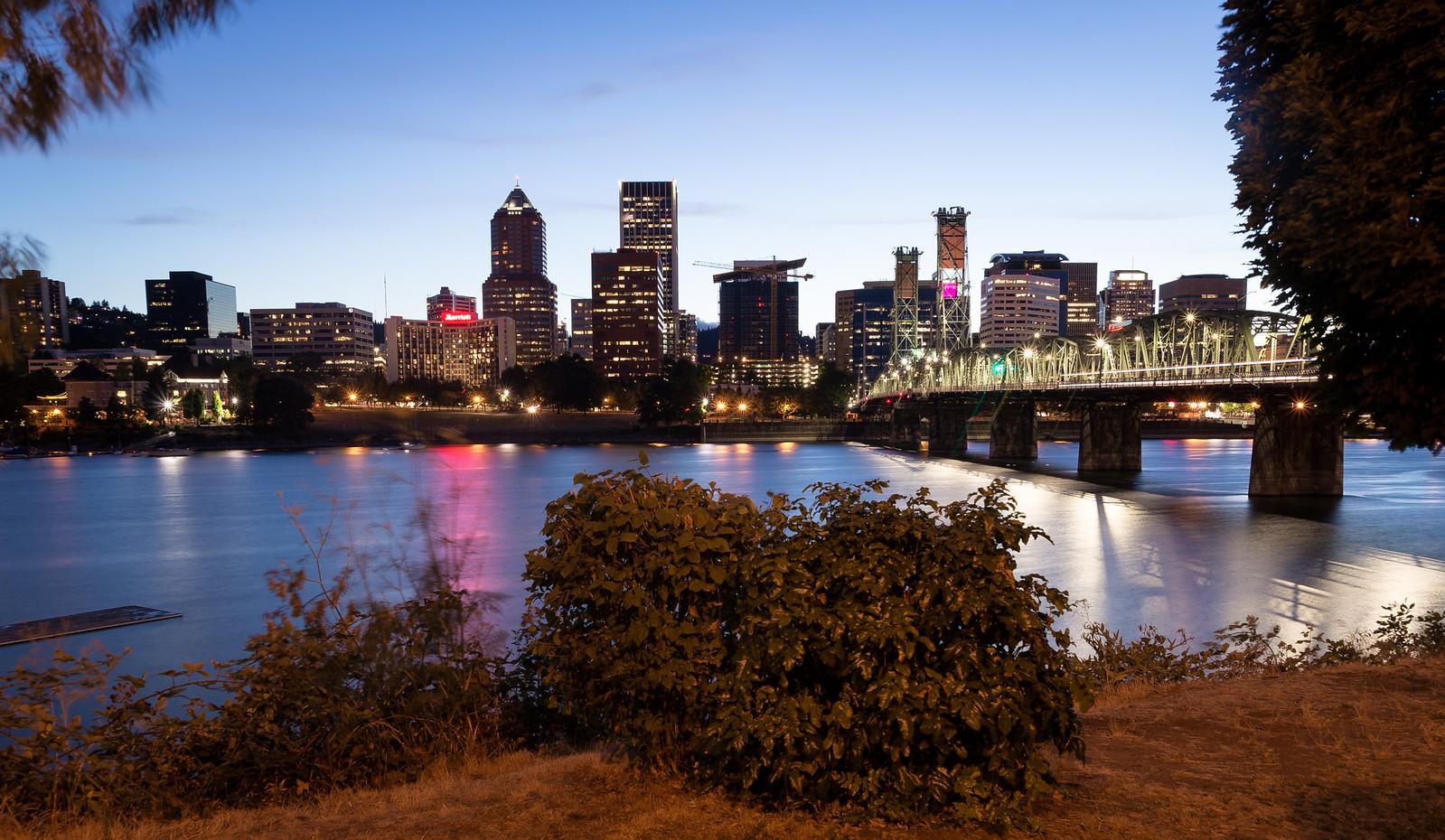
Portland's food renaissance didn't arrive in a single moment. It crept in through the back doors of converted warehouses on Southeast Stark Street, through farmers markets that grew from card tables to city blocks, through the stubborn insistence of a few dozen people that ingredients mattered more than Instagram followers.
Today, the city's food and beverage sector generates roughly $2.1 billion annually and attracts food writers from across North America. But in 2004, when the first weekend farmers market opened at Portland State University's parking lot with fourteen vendors, nobody was calling Portland a culinary destination. It was just a place where some people refused to eat badly.
The transformation matters now because Portland's model-built on local ownership, ingredient obsession, and democratic access rather than exclusivity-has become a blueprint other cities are trying to copy. As inflation pushes fine dining prices into the stratosphere nationwide, Portland has maintained a parallel food culture where serious cooking happens in stripped-down spaces for $18 to $28 per plate. That balance between quality and accessibility didn't happen by accident.
The People Who Built It
Walk through the Woodstock neighborhood on any given evening and you'll find restaurants that grew from personal frustration rather than business plans. One acclaimed pasta shop on Division Street started because its owner couldn't find fresh egg noodles anywhere in the city in 2006. A now-famous nose-to-tail butcher on Southeast Alder began when its founder got tired of watching restaurants throw away pig heads and chicken feet.
The farmers market infrastructure proved crucial. By 2012, Portland supported seventeen weekly farmers markets across the city-compared to just three in 2003. Vendors who sold at PSU's market on Wednesday mornings became fixtures at the 8,000-person Saturday gathering at Portland State. That repeated contact between farmers and chefs, between producers and home cooks, created relationships that restaurants would later build on. A vegetable farmer from Sauvie Island didn't just supply restaurants; they became part of the restaurant's identity.
The co-operative restaurant model emerged in the late 2000s as a direct response to the city's rising rents. Instead of one owner betting everything on a single location, groups of cooks pooled resources. Several South Waterfront establishments operated as formal co-ops where each chef had genuine ownership stakes. Profit margins stayed thin-typically four to six percent-but the model kept restaurants independent.
Numbers That Tell the Story
Industry data shows the results. By 2018, Portland had more James Beard Award semifinalists per capita than any city of comparable size. The city's average restaurant lifespan-nine years-significantly exceeded the national average of 4.5 years. That longevity came from the deliberate choice to prioritize stability over growth.
A 2019 economic impact study found that seventy-two percent of Portland restaurants had local ownership, the highest percentage among the nation's fifty largest cities. That ownership structure meant decisions stayed local. Rent increases didn't automatically trigger menu price jumps or corner-cutting on ingredients. Owners knew their landlords. They attended neighborhood association meetings. They sometimes actually lived above their restaurants.
The farm-to-table movement that became trendy nationally started here almost by necessity. In 2008, when conventional supply chains tightened during the recession, Portland restaurants had already built direct relationships with producers. They had options. A restaurant on Northeast Alberta Street had worked with the same berry farmer for five years; they could survive on what that farmer could provide. Necessity became principle.
For anyone trying to understand how the scene stays vital, the answer keeps returning to the same people. They've aged, their restaurants have grown or closed, but the ethos persisted. Visit Nong's Khao Man Gai on Southeast Division Street any afternoon at 3 p.m., and you'll find the owner there, cooking the same four dishes she's been making for fifteen years. That stubborn refusal to expand beyond what one person can maintain with integrity-that's what built Portland's food culture, and it's what keeps it honest.