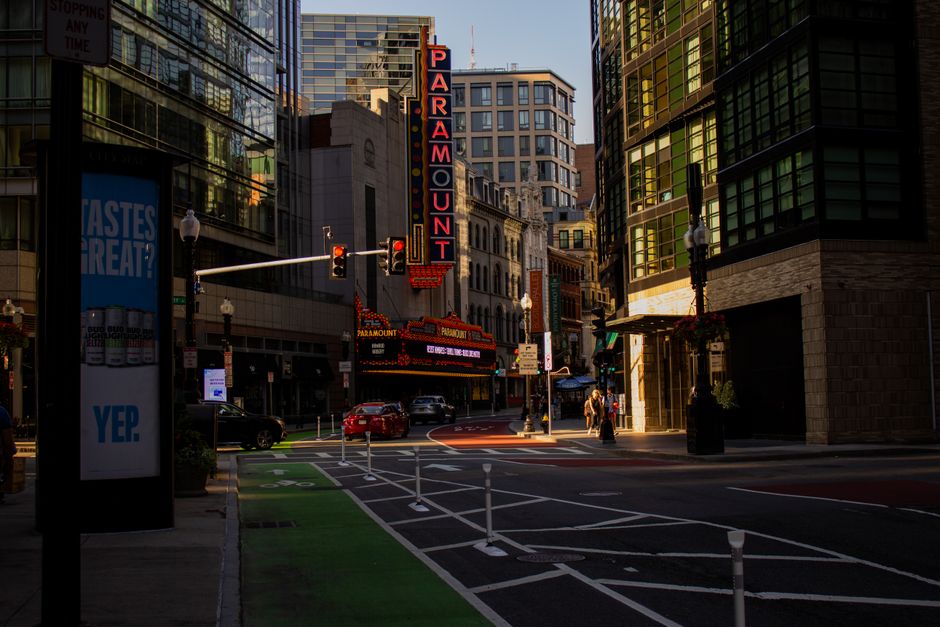
Portland's housing authority, public health officials, and neighborhood leaders converged this week around three overlapping crises: a deepening affordable housing shortage, a heat emergency protocol newly stress-tested after Europe's summer death toll hit troubling numbers, and a downtown retail corridor still limping after years of pandemic and protest damage. The convergence makes early July a pivotal moment for the city's policy calendar.
City Commissioner Carmen Rubio's office confirmed Wednesday that the Portland Housing Bureau has identified 14 sites along the East Burnside corridor and in the Lents neighborhood for potential acquisition under the city's 2026 Affordable Housing Bond program, which voters approved in November 2024 at $395 million. Bureau director Dan Valliere told staff in an internal memo reviewed by The Daily Portland that the agency expects to break ground on at least three of those sites before December. That timeline matters because state law now requires Portland to demonstrate measurable bond deployment by the end of fiscal year 2026 or face clawback provisions.
Heat Plan Gets Its First Real Test
Multnomah County Health Department officials have spent the past two weeks reviewing their Cool Corridor network after France reported more than 2,000 excess deaths during a single peak week of its July heatwave. Portland's own record-shattering heat dome in June 2021 killed at least 107 county residents in 72 hours. This summer, the county expanded its cooling center roster to 34 sites, up from 22 in 2024, including new locations at the Montavilla Community Center on Southeast Stark Street and the Bud Clark Commons on Northwest Hoyt.
Dr. Jennifer Vines, who returned to the county health officer role in January after a stint in private consulting, told staff at a June 30 briefing that the 2021 event exposed a fatal gap: most people who died were elderly, isolated, and never reached a cooling center. The county's fix is a door-to-door wellness check program called Heat Ready PDX, piloted last summer in the Lloyd District. This year it expands to Outer East Portland zip codes 97266 and 97236, where census data shows the highest concentrations of residents over 65 living alone. The program runs from July 1 through September 15.
Advocates at Elders in Action, the Northeast Portland nonprofit that helped design Heat Ready PDX, say volunteer recruitment is running about 18 percent behind target for July. The organization is asking employers downtown to grant paid volunteer leave for single half-day shifts.
Downtown: Cautious Signs, Hard Numbers
Portland Business Alliance president Andrew Hoan presented the group's mid-year retail vacancy data to the Portland City Council on July 1. The central business district's ground-floor retail vacancy rate stood at 27.4 percent in June, down from a peak of 31.8 percent in early 2024 but still more than double pre-pandemic levels. Hoan flagged that the blocks between Southwest Morrison and Southwest Yamhill on Fifth and Sixth avenues — the old Nordstrom corridor — remain largely dark despite two rounds of city-offered lease incentive grants.
Urban economist Joe Cortright, whose City Observatory research center is based in Portland, has argued publicly that the vacancy figures mask a structural shift: the downtown core lost roughly 9,000 daily office workers permanently to remote work, and no retail strategy aimed at that foot traffic will succeed without first solving the office market. Cortright's analysis, published in May, pointed to the stretch along Southwest Broadway between Burnside and Jefferson as a potential test case for converting underused office towers to mixed-income residential — a model tried with partial success in Calgary and Pittsburgh over the past four years.
The Portland Design Commission is scheduled to hold a public hearing on the Broadway Corridor Rezoning Proposal on July 16 at 1:30 p.m. at the Portland Building on Southwest Fifth Avenue. Residents and business owners who want to weigh in can submit written testimony through July 14 via the Bureau of Development Services portal. Commission chair Sarah Zahn has said the hearing will include expert presentations on fiscal impact, seismic upgrade requirements, and displacement risk — three fault lines that have stalled similar proposals before.
For Portlanders navigating all of this between now and Labor Day: the county's Heat Ready PDX hotline opens at 503-988-3646 on days when the forecast exceeds 90 degrees. The Housing Bureau's next community input session on the bond program is July 22 at Lents Park, starting at 6 p.m.