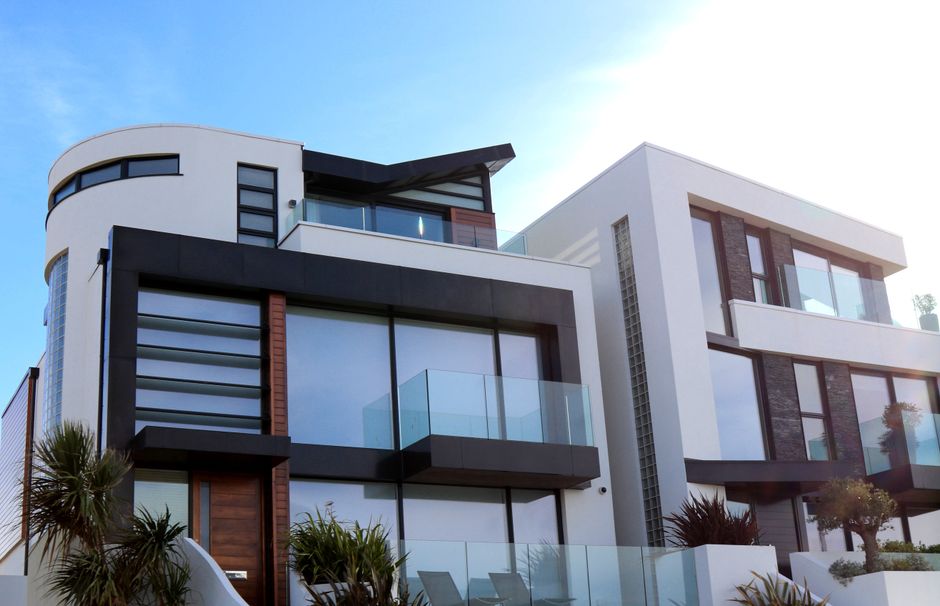
The median home sale price in Portland hit $512,000 in June 2026, according to Zillow tracking data — up roughly 6 percent from a year earlier and well beyond what a household earning the metro area's median income of $82,000 can comfortably finance. Against that backdrop, a new generation of build-to-rent developments is making a calculated pitch: stop chasing ownership and start expecting more from your lease.
Build-to-rent, or BTR, is not a new concept nationally, but it has accelerated sharply in the Portland metro since 2024. These are communities designed from the ground up for long-term renters — not converted condos, not aging apartment stock, but purpose-engineered complexes with professional management, amenity packages, and lease structures intended to retain tenants for years. The distinction matters. Where a traditional apartment building measures success by turnover and vacancy rates, BTR operators say their model rewards tenant stability.
What the Complexes Are Actually Offering
The Lloyd District and the Central Eastside have emerged as two of the denser BTR corridors in Portland proper. One project that opened on NE Multnomah Street in late 2025 offers month-to-month flex leases alongside standard 12-month terms, plus a locked-in rent escalation cap of 3 percent annually — below Oregon's state-mandated ceiling, which for 2026 sits at 10 percent under the Oregon Residential Landlord and Tenant Act's rent stabilization provisions tied to the consumer price index. Amenity packages at BTR communities in the Pearl District and on the South Park Blocks typically include co-working lounges, package lockers, bike storage with repair stations, and pet facilities — features the existing rental stock in neighborhoods like Montavilla or Lents rarely provides.
Monthly rents at BTR properties in the Lloyd District range from roughly $1,650 for a studio to $2,900 for a two-bedroom. Those numbers are not cheap. But BTR advocates argue the comparison has to account for total cost of occupancy. A buyer putting 10 percent down on a $512,000 home at current 30-year fixed rates — hovering around 6.8 percent — faces a monthly mortgage payment of approximately $3,350 before property taxes, insurance, or maintenance. The gap between renting in a well-managed BTR community and owning has narrowed enough that financial planners are genuinely telling some clients to wait.
Hacienda CDC, the Latino-focused community development organization based in Portland, has flagged the affordability math repeatedly in its housing counseling sessions along NE Alberta Street. The organization works with first-generation buyers navigating down payment gaps and credit barriers, and its counselors acknowledge that for households earning under $70,000, BTR can function as a meaningful bridge — not a consolation prize.
The Trade-offs Tenants Need to Know
BTR is not without friction. Tenant advocates at Community Alliance of Tenants, headquartered in the Buckman neighborhood, have raised concerns that the amenity-forward model concentrates investment in higher-income renters while doing little to expand the supply of units affordable to households at 60 percent of area median income or below. Oregon's inclusionary zoning rules require new residential projects of 20 or more units in Portland to set aside at least 10 percent at affordable rates, but BTR developers have applied for and sometimes received alternative compliance pathways through the Portland Housing Bureau.
For renters who do qualify at market rate, the practical advice from housing counselors is specific: demand lease renewal terms in writing before signing, confirm what the rent escalation cap is — and whether it is contractual or merely stated policy — and verify that the management company has an established presence in Oregon rather than a remote corporate structure that can be hard to reach when maintenance issues arise. Several BTR operators with Portland properties are based in Seattle or Denver, with local management subcontracted.
The city's Bureau of Development Services has 14 BTR-category projects in some stage of permitting as of July 2026, with the bulk clustered in the Central Eastside and the Overlook neighborhood near the Yellow Line MAX corridor. More supply should, in theory, moderate rents. Whether it does will depend heavily on absorption rates over the next 18 months — and on whether Portland's job market holds up as the city heads into the second half of the year.