Property
Portland’s Rental Vacancy Rate Hits 2.2%—Why Finding an Apartment Is Tougher Than Ever
Cranes fill the skyline but renters still face long waits and bidding wars across Portland’s core neighborhoods.
3 min read
Property
Cranes fill the skyline but renters still face long waits and bidding wars across Portland’s core neighborhoods.
3 min read
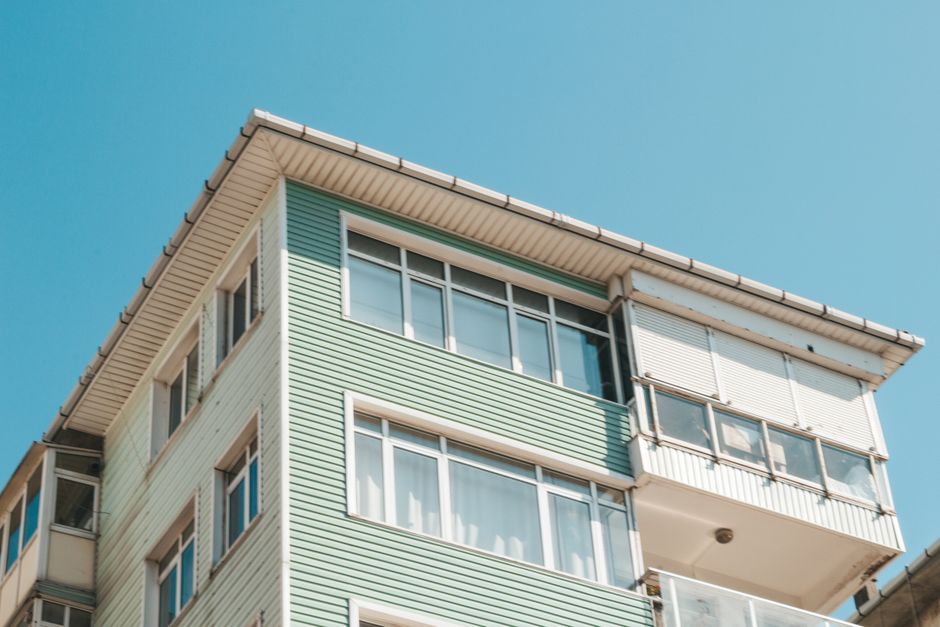
Finding a vacancy in Portland’s most sought-after neighborhoods has become a test of patience and persistence. The city’s rental vacancy rate dropped to 2.2% this June, according to the latest figures from Multifamily NW, marking its lowest level since 2018 and intensifying competition for every available unit.
This matters now because, despite a wave of new apartments rising in the Pearl District and along Williams Avenue, the steady inflow of new residents and slow turnover means hopeful tenants are routinely encountering waitlists, bidding wars, or rent hikes. The squeeze comes as Portland State University’s Center for Real Estate reported a 9% increase in average rents over the past year, putting more pressure on those thinking of switching addresses, as well as prospective homebuyers priced out of ownership by rising mortgage rates.
Neighborhoods like Northwest District and Central Eastside are seeing some of the toughest competition. At Slabtown’s Sawyer Apartments, leasing offices confirmed more than 150 applications for just 34 available units released in May. Meanwhile, the SE Division corridor, once Portland’s rental sweet spot, now posts vacancy rates below 1.7%, according to data provided by the Portland Housing Bureau.
Even traditionally more affordable locations like Lents and St. Johns aren’t immune; signs for "Now Leasing" along SE Foster Road vanish within days, as word-of-mouth and online platforms such as Apartments.com become flooded with hopeful renters from out of state and longtime locals alike.
The numbers tell a stark story. Multifamily NW’s spring survey pegged the median Portland metro rent at $1,845 per month for a one-bedroom as of June 2026, up from $1,695 a year ago. Couple that with the city’s stubbornly low vacancy rate—well below the 5% industry standard that signals a balanced market—and it’s clear why apartment seekers are facing lines at open houses and, in some cases, informal bidding wars.
Experts at Home Forward, the city’s housing authority, point to a mix of factors: higher cost of borrowing has kept would-be buyers renting longer, while delayed construction timelines on large projects—such as the long-awaited Firehouse 67 development at NE 82nd Avenue—mean supply isn’t keeping up with population growth. Portland’s rental application rate jumped nearly 18% from last summer, reflecting pent-up demand further squeezed by record-high home prices across East Portland and inner Northeast.
For renters facing multiple rejections or steep price increases, housing advocates recommend lining up application materials—pay stubs, credit reports, references—before units are even listed. Attending weekday showings, exploring up-and-coming pockets like Montavilla, and signing up with programs like Portland Housing Center’s renter navigation service may boost chances. Longer-term, multifamily pipeline projects in the Lloyd District and along SE Powell are expected to add roughly 1,200 new units by late 2027, but relief will be gradual. In the meantime, Portland’s rental contest shows no sign of cooling as vacancy rates remain at historic lows.

Property
Property

Property
Property
About this article
Published by The Daily Portland
Spread the word
Daily brief
Free, in your inbox before 7am. Weekdays.
The Daily Network — local news across Australia