Property
The Rent-Vesting Strategy Explained for This Market
Portland renters are turning to a new tactic: owning where they can afford, and renting where they want to live.
3 min read
Updated 1 h ago
Property
Portland renters are turning to a new tactic: owning where they can afford, and renting where they want to live.
3 min read
Updated 1 h ago
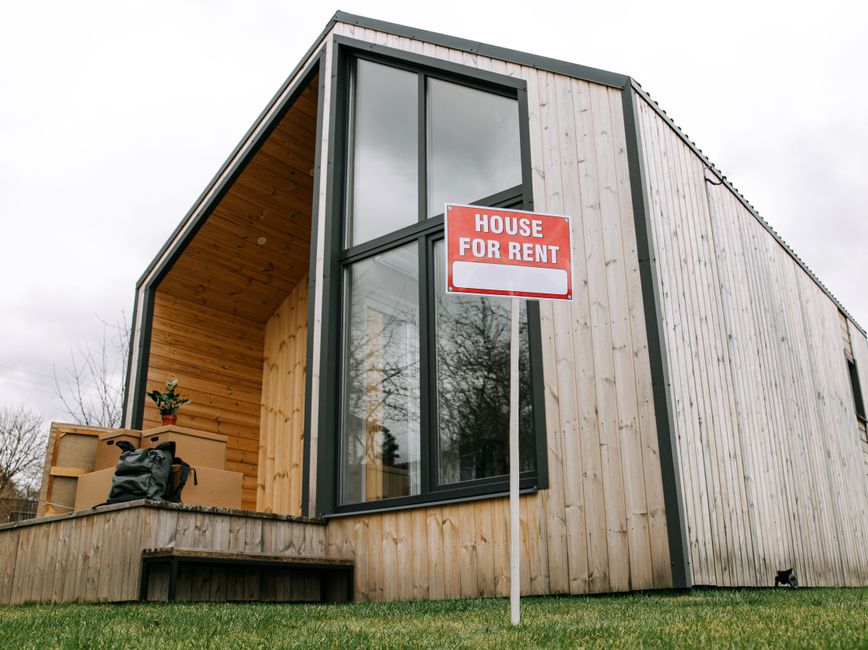
As home prices continue to rise in Portland’s most sought-after neighborhoods, a growing number of locals are opting for a rent-vesting strategy—buying investment property in more affordable parts of town while continuing to rent closer to downtown or along the MAX line.
The appeal of rent-vesting is catching on as traditional routes to homeownership have grown less accessible. Analysts at Urban Nest Realty point to a decade-high gap between median rents and mortgage payments in neighborhoods like Sellwood and Alberta. With the average sale price for a single-family home topping $665,000 west of the Willamette, the leap from renting to buying in central neighborhoods has priced out many middle-income residents.
Under rent-vesting, buyers typically purchase rental properties in less expensive pockets—think Lents, St. Johns, or outer Montavilla—while leasing apartments closer to where they work and socialize. "If you want to live on SE Division Street but can only afford to buy in East Portland, rent-vesting lets you do both," explained James L., a long-time property manager who has seen more clients deploy this approach since 2025. It’s a creative workaround for those squeezed by rising costs in central districts like the Pearl or Nob Hill.
Banks and credit unions in the region, including OnPoint Community Credit Union, have seen a marked uptick in first-time investor mortgage applications in eastside neighborhoods since early 2026. Data from the Portland Housing Bureau highlights a 17% increase in rental unit purchases by owner-occupants in the Powellhurst-Gilbert and Parkrose areas over the past 18 months.
According to the latest figures from Redfin, the median rent on a one-bedroom in the central city hit $1,900 per month in June, up 6% from the previous year. Meanwhile, a 20% down payment plus closing expenses on a median-priced home in Irvington or Laurelhurst easily tops $150,000—out of reach for many without equity of their own. In contrast, entry-level duplexes or condos in Lents and Eastgate trade for as little as $335,000, with monthly mortgage and tax payments below $2,200 but strong rental demand from working professionals who want TriMet access.
Rent-vestors typically hold onto their investment properties as rentals, using the income to offset their own housing costs. Local property tax records show that about 12% of new home purchases in east Portland since 2024 were flagged as non-owner-occupied on first-year filings, a sharp jump from pre-pandemic averages.
The Portland Tenants Union cautions that while creative, rent-vesting doesn’t address underlying supply issues or affordability challenges for renters. Still, for individuals with stable incomes and some savings, the approach may offer a pragmatic way to begin building wealth without sacrificing lifestyle or access to city amenities.
For those considering rent-vesting, mortgage brokers recommend a thorough review of rental yields, insurance costs, HOA restrictions, and local ordinances—especially as the city continues to update rules for rental licensing and short-term rentals. Resources like the Portland Housing Bureau’s First-Time Investor workshops (held quarterly at the Portland Building on SW Fifth) can help aspiring rent-vestors understand the risks and requirements involved.
With rent growth outpacing wage gains in several central neighborhoods, expect more Portlanders to decouple where they live from where they own. While not a panacea for everyone, rent-vesting is fast becoming a fixture among Portland’s younger professionals and families determined to get a foot on the property ladder—one zip code at a time.

Property

Property

Property

Property
About this article
Published by The Daily Portland
Spread the word
Daily brief
Free, in your inbox before 7am. Weekdays.
The Daily Network — local news across Australia