Property
Why Alameda Remains Portland’s Blue-Chip Bargain
With median home prices still lagging trendier neighbourhoods, historic Alameda offers rare upside for discerning buyers.
3 min read
Updated 1 h ago
Property
With median home prices still lagging trendier neighbourhoods, historic Alameda offers rare upside for discerning buyers.
3 min read
Updated 1 h ago
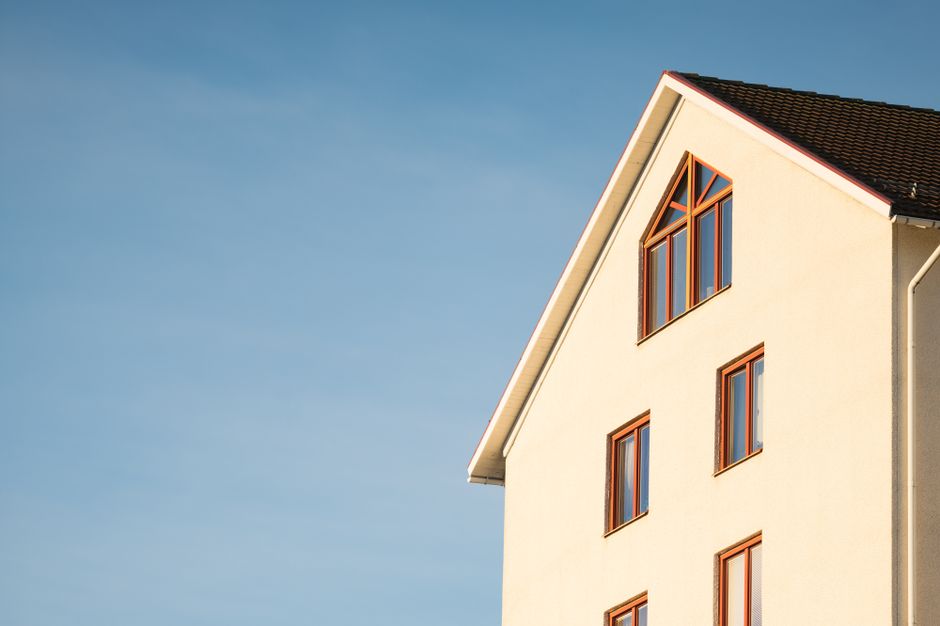
It’s rare to find a Portland neighborhood with tree-lined avenues, top-tier schools, and century-old architecture that hasn’t fully priced out the next wave of buyers — but Alameda is bucking the citywide trend. Despite its enduring reputation as a premier Northeast enclave, transaction data from June shows Alameda’s median home sale price is holding well below hotspots like Laurelhurst or Eastmoreland.
This matters now more than ever. Portland’s housing market has galloped ahead since 2020, fueled by tight supply and a pandemic-fueled migration boom. While price growth has slowed in 2026, the city’s average detached home now tops $653,000, according to the Regional Multiple Listing Service (RMLS), forcing many would-be buyers to the city’s fringes. Finding genuine value in the central eastside has become a hunt for unicorns—unless you know where to look.
Alameda runs west from 33rd Avenue to Alameda Ridge, stretching north of Fremont Street. Its blocks are studded with Craftsman homes, English cottages, and the odd stately Colonial. The location offers access to Grant Park’s sports fields and a brisk walk to locally owned favorites like Lucca on NE 24th or the Alameda Cafe at Fremont and 29th. School catchments are another draw: Alameda Elementary and Grant High School both consistently rank among Portland’s top public schools, making the area popular with families prioritizing lifelong value over trending zip codes.
The Alameda Neighborhood Association has lobbied successfully for traffic-calming measures on NE 37th Avenue and is currently partnering with Friends of Trees on a campaign to replace lost heritage elms. Longtime residents cite the annual Fremont Fest, scheduled this year for August 3rd, as a marker of both community spirit and enduring local pride.
According to Redfin data tracked through June 30, Alameda’s median home sold for $759,000—roughly 7% less than nearby Laurelhurst and nearly $100,000 under the highs recorded in neighboring Irvington this spring. Inventory is tight: as of July 1, only six properties are formally listed across the heart of the district (bounded by NE 33rd, Skidmore, 24th and Fremont), making competition subdued but opportunity finite. Days on market average just 19, underscoring demand as well as the relative value proposition.
Several buyers’ agents point to the fact that major home improvements along NE Ridgewood and Bryce have added modern amenities while preserving the neighborhood character. This has, so far, kept Alameda under-the-radar for investors primarily seeking tear-downs or major townhouse developments—though rising interest in ADU construction through Portland’s new Infill Project permits could change that dynamic within the next 18 months.
For those considering a move, the advice is straightforward: the sweet spot for Alameda is closing quickly. Low inventory and consistent demand mean bidding wars aren’t as frenzied as the spring of 2021, but houses in move-in condition rarely linger. Mortgage rates hovering near 6.9% have cooled some casual browsing, but serious buyers—with a mind for schools, stability, and long-term value—are zeroing in on Alameda before its pricing inevitably catches up to its blue-chip peers.
Property

Property

Property

Property
About this article
Published by The Daily Portland
Spread the word
Daily brief
Free, in your inbox before 7am. Weekdays.
The Daily Network — local news across Australia