Property
How Much Rent Is Too Much? The 30% Rule in Practice for Portlanders
With housing costs rising sharply in Portland, many renters are finding the old affordability guideline tougher to follow.
3 min read
Updated 1 h ago
Property
With housing costs rising sharply in Portland, many renters are finding the old affordability guideline tougher to follow.
3 min read
Updated 1 h ago
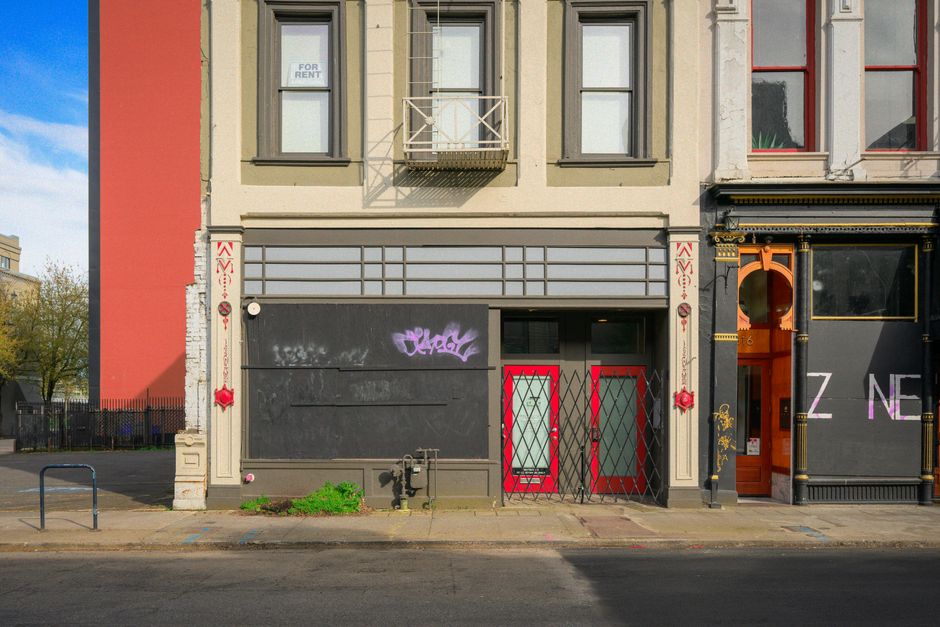
If you’re renting a one-bedroom apartment in Northwest Portland today, paying less than 30% of your income in rent is now more wishful thinking than standard advice. According to the latest June 2026 data from Zillow, the median rent for a one-bedroom within city limits hit $1,750, outpacing local income growth and sparking debate over the long-held 30% affordability rule.
The timing couldn’t be more critical. Over the past twelve months, Portland has seen housing costs surge while wages remained largely flat, putting extra pressure on renters as the city’s vacancy rate hovers near 4%. Data from Multifamily NW’s spring survey confirm that demand is far outstripping supply, reflecting a trend that’s leaving many residents in the lurch, particularly in close-in neighborhoods like Laurelhurst and Hawthorne.
Traditionally, financial advisors and federal agencies pointed to the 30% rule: spend no more than a third of your gross income on rent and basic utilities. But, as local housing counselors at Neighborhood House and Hacienda CDC are seeing, that rule is starting to break down in practice. “In Cully or St. Johns, a minimum-wage worker earning Portland’s $17.45 per hour would need to keep their rent under $908 per month to meet the 30% standard—which is half the going rate for even modest studios,” said one housing specialist (not authorized to speak publicly), describing the gap.
For many families, government-backed programs like the Portland Housing Bureau’s Inclusionary Housing initiative have offered some buffer. Yet, with more than 14,000 people on the city’s affordable housing waiting lists as of May 2026, most market-rate renters are left to make hard choices. According to a recent PSU Center for Real Estate report, 58% of Portland renters paid more than 30% of their income toward rent last year. That figure climbs sharply in high-demand areas from the Pearl District to Division Street, where new construction has barely kept up with new arrivals.
The result is a shifting standard of what’s truly “affordable.” Financial advisors like those at the nonprofit CASH Oregon now emphasize individual budgeting over hard rules, factoring in student loans and transportation costs—particularly relevant for Portlanders dealing with TriMet’s fare hikes and long commutes from East Portland. Some renters are finding creative solutions: Several co-living projects have popped up on N Williams Avenue and along Sandy Boulevard, offering lower per-room costs and flexible lease terms.
Nevertheless, the broader picture isn’t changing quickly. Affordable units in city-subsidized buildings like Block 45 on SE 30th Avenue list rare availabilities, typically snapped up within days. Renters looking to stay below the 30% threshold increasingly have to weigh trade-offs, such as longer commutes or splitting with roommates. To track eligibility or access new affordable projects, the city recently expanded PDX Housing Finder, its waitlist portal, and is rolling out more housing navigation workshops at the East Portland Community Office this summer.
For now, most housing advocates expect a continued crunch through year’s end, as high interest rates keep would-be buyers in the rental market. With rent relief funds set to expire this September, the pressure on Portlanders to adapt—even if that means questioning the 30% rule itself—shows little sign of letting up.
Property
Property

Property

Property
About this article
Published by The Daily Portland
Spread the word
Daily brief
Free, in your inbox before 7am. Weekdays.
The Daily Network — local news across Australia