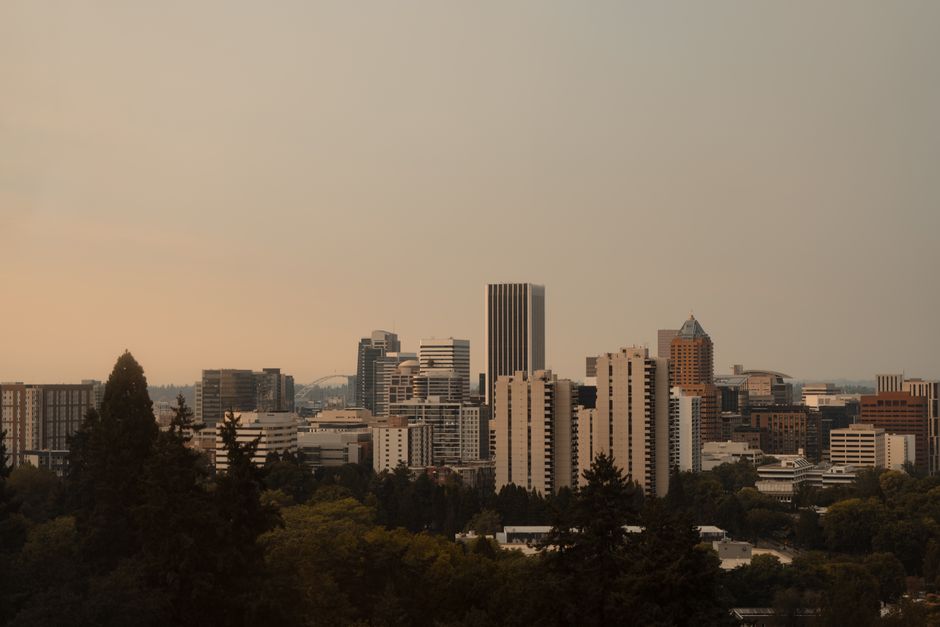
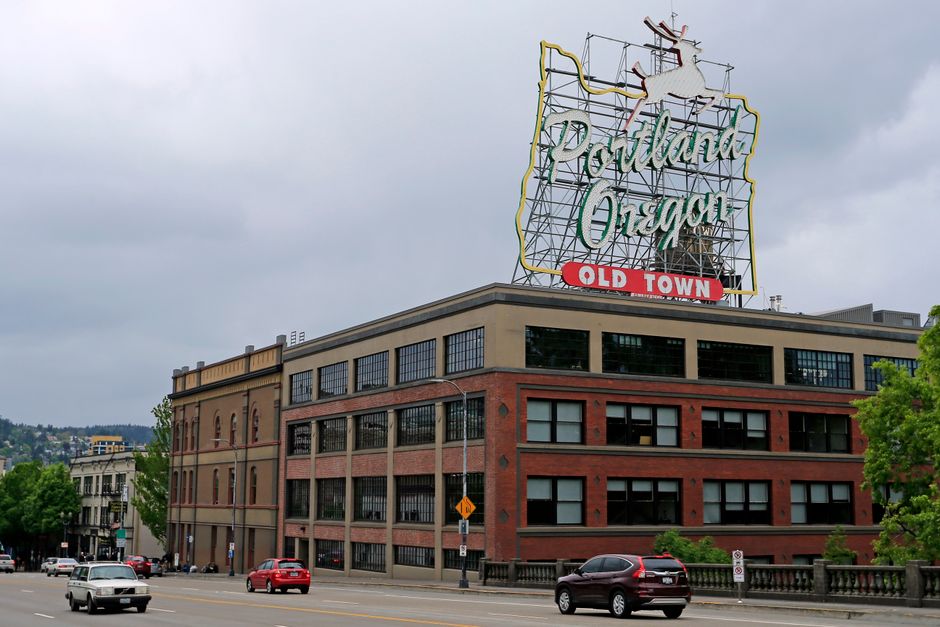
Americans are getting roughly 6.5 hours of sleep a night on average, according to data published by the American Academy of Sleep Medicine in early 2026 — nearly an hour short of the seven-to-nine-hour minimum the organization recommends for adults. In Portland, sleep clinicians and wellness practitioners say they are seeing that gap widen, driven by economic anxiety, ambient light pollution, and a digital culture that has essentially abolished the wind-down hour.
The timing matters. Oregon's housing market has grown increasingly strained over the past 18 months, with median rents in inner Southeast Portland pushing past $1,850 a month as of June 2026. Financial stress is one of the most reliably documented disruptors of slow-wave sleep — the deep, restorative stage where the brain consolidates memory and the body repairs tissue. When people lie awake running numbers in their heads at midnight, the damage is cumulative and often invisible until it isn't.
Hormonal shifts compound the problem for a significant slice of the population. Growing clinical attention to testosterone decline, perimenopause, and disrupted melatonin cycles — topics that have moved from specialty endocrinology into mainstream health conversation this year — has prompted many Portlanders to seek answers that go beyond basic sleep hygiene advice. The trouble is that generic tips rarely address the specific mechanisms wrecking any individual's night.
What Portland's Wellness Community Is Actually Offering
Several local organizations have built structured sleep programs that go further than a pamphlet about blue light. OHSU's Center for Sleep Medicine on SW Sam Jackson Park Road runs a cognitive behavioral therapy for insomnia program — CBT-I — that the American College of Physicians has formally endorsed as the first-line treatment for chronic insomnia over sleeping pills. The 6-week program costs between $300 and $600 depending on insurance coverage, and slots have historically filled within days of opening.
On the east side, the Rebuilding Center neighborhood in North Portland has seen a cluster of independent wellness studios open in the past two years, several of them incorporating sleep coaching into broader lifestyle programs. Restore PDX, operating out of a converted warehouse space near N Interstate Avenue, offers evening wind-down classes combining breathwork and body scan meditation, priced at $18 per drop-in session. Attendance on Thursday and Friday evenings — the sessions positioned as a buffer against weekend social disruption to sleep schedules — has reportedly doubled since January 2026.
The science behind these approaches is not soft. A 2023 meta-analysis in the journal Sleep found CBT-I reduced the time it takes patients to fall asleep by an average of 19 minutes and increased total sleep time by roughly 30 minutes per night — modest numbers that translate to meaningful cognitive and cardiovascular benefit over weeks and months. Melatonin supplementation, by contrast, shows much weaker evidence for chronic insomnia, despite dominating pharmacy shelf space; the average American now spends around $11 a month on sleep supplements, a category that topped $2.1 billion in U.S. retail sales in 2025.
Small Changes That Move the Needle
Sleep researchers consistently point to three behavioral levers that carry the strongest evidence. First, anchor your wake time — getting up at the same hour seven days a week, even after a bad night, stabilizes the circadian clock faster than any supplement. Second, treat the hour before bed as a light-exposure blackout: Oregon's long July evenings mean natural light is streaming in past 9 p.m. right now, which suppresses melatonin production and delays sleep onset. Blackout curtains, available at the ReBuilding Center's salvage store on N Mississippi Avenue for as little as $12 a panel, are among the highest-return investments a light sleeper can make. Third, drop bedroom temperature to between 65 and 68 degrees Fahrenheit — a target that becomes a real utility trade-off during Portland's warmer July nights but that sleep physiologists consider non-negotiable for quality deep sleep.
Anyone whose sleep problems have persisted beyond three weeks, or who wakes unrefreshed regardless of duration, should book an appointment with a primary care physician or contact OHSU's sleep clinic directly before experimenting further. Self-diagnosis in this space carries real risk — untreated sleep apnea, for instance, affects an estimated 26 percent of adults aged 30 to 70 and requires clinical screening to detect.