Wellness
What the Science Actually Says About Winding Down Before Bed
Portland's active wellness culture has plenty of opinions on sleep hygiene — here's what the research backs up.
4 min read
Updated 3 h ago
Wellness
Portland's active wellness culture has plenty of opinions on sleep hygiene — here's what the research backs up.
4 min read
Updated 3 h ago
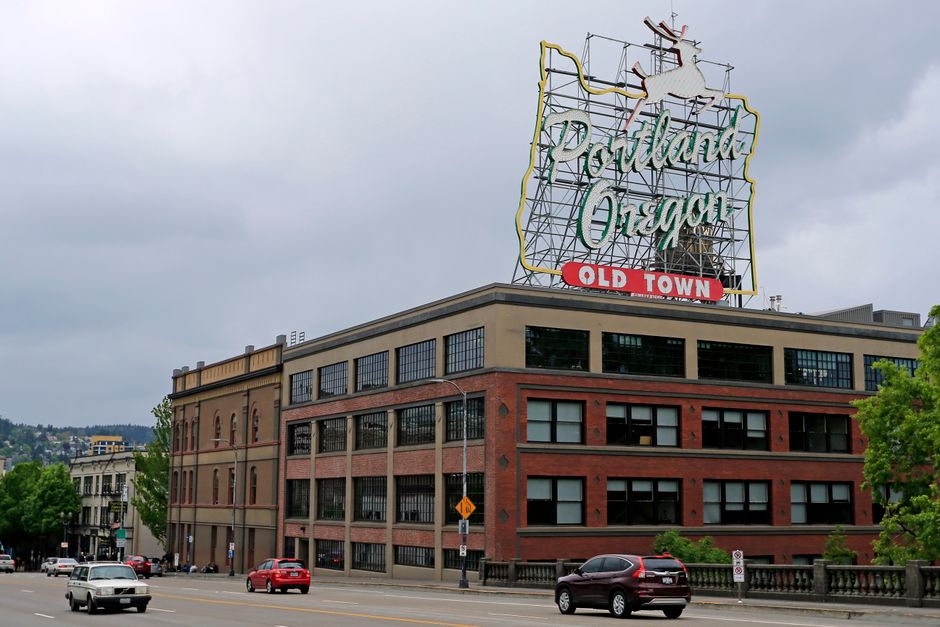
The average American adult gets 6.8 hours of sleep a night. The recommended minimum is seven. That half-hour gap sounds small until you understand what it compounds into: elevated cortisol, impaired glucose regulation, and a measurable drop in next-day cognitive performance, according to research published in the journal Sleep in 2024. Portland, with its famously vigorous cycling commuters, trail runners logging miles on Forest Park's 80-plus miles of paths, and yoga studios packed into the Pearl District and Alberta Arts District alike, is a city that invests heavily in the first 16 hours of the day. The last two before bed, experts say, deserve the same attention.
The timing matters this week in particular. July Fourth weekend traditionally wrecks sleep schedules — late fireworks, irregular meals, alcohol, travel. The American Academy of Sleep Medicine estimates that social jet lag, the misalignment between your biological clock and your social schedule, affects roughly 87 million Americans at any given time. Recovering from even one disrupted night can take two to three days. That makes a reliable wind-down routine less of a luxury and more of a maintenance tool.
The core principle is thermal: your core body temperature needs to drop roughly 1 to 2 degrees Fahrenheit to trigger deep sleep onset. That means the 90-minute window before bed should involve cooling, not heating. Hot showers work paradoxically — the rapid skin-surface cooling afterward accelerates the process — but vigorous exercise within three hours of sleep tends to delay it. Portland's wellness community often blurs this line. A 9 p.m. Pilates class at a Hawthorne Boulevard studio or a late evening run along the Eastbank Esplanade feels productive, but it can push sleep onset past midnight for people who are already struggling.
Light is the second variable. Blue-spectrum light from screens suppresses melatonin production, and the effect is dose-dependent. A 2023 study from the University of Washington found that even 30 minutes of phone use after 10 p.m. delayed melatonin onset by an average of 1.5 hours in study participants. Dim, warm-toned lighting — think the low amber of a reading lamp rather than overhead LEDs — allows the hormone to rise on schedule. Several Portland-area practitioners affiliated with OHSU's Sleep Medicine program at the South Waterfront campus have begun recommending blue-light-blocking glasses starting at 8 p.m. for patients with chronic insomnia.
Cognitive decompression matters just as much as the physical adjustments. The brain needs a structured off-ramp, not a hard stop. Journaling, specifically a task-completion list rather than a worry journal, has shown consistent results in reducing sleep-onset latency. A 2018 Baylor University study found that writing a to-do list for the following day — five minutes, pen and paper — helped subjects fall asleep an average of nine minutes faster. That's a significant margin. Inner Light Meditation Center on Northeast Broadway runs a Thursday evening session specifically framed around pre-sleep mindfulness, and Powell's Books on West Burnside, open until 11 p.m. most nights, remains one of the city's most reliable analog wind-down destinations for a reason.
Two things Portland's wellness culture tends to overcomplicate: melatonin supplements and evening cannabis use. Both are common. Neither is straightforward. Melatonin is most effective at doses of 0.5 milligrams, far below the 5 or 10 milligram gummies stacked at New Seasons Market locations across the city. Higher doses don't improve sleep quality — they just shift timing. Cannabis is more complicated still. CBD appears to have a mild anxiolytic effect that can help some people relax, but THC disrupts REM sleep architecture, meaning regular evening users may fall asleep faster while sleeping worse overall.
Alcohol is the most consistent offender. Even two drinks within three hours of sleep reduces REM sleep by up to 24 percent, according to data from the National Sleep Foundation. A glass of wine with a 7 p.m. dinner is categorically different from one at 10 p.m.
For anyone wanting to rebuild a consistent wind-down practice before the fall season shifts daylight hours again, the formula is practical and low-cost: cool the room to between 65 and 68 degrees Fahrenheit, stop screens by 9:30 p.m., spend five minutes writing tomorrow's task list, and treat the hour before bed as a protected transition rather than an extension of the day. If sleep problems persist beyond three weeks, OHSU's Sleep Medicine Clinic accepts referrals and offers both in-lab and home-based sleep studies. The waiting list currently runs four to six weeks — which means starting that conversation now, before summer habits calcify, is worth the phone call.
About this article
Published by The Daily Portland
Spread the word
Daily brief
Free, in your inbox before 7am. Weekdays.
The Daily Network — local news across Australia