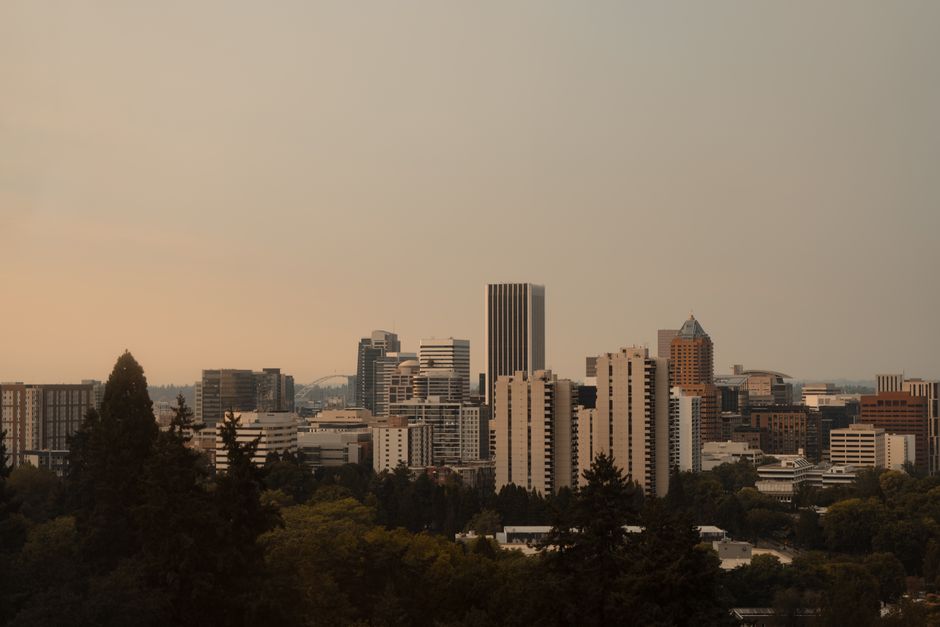
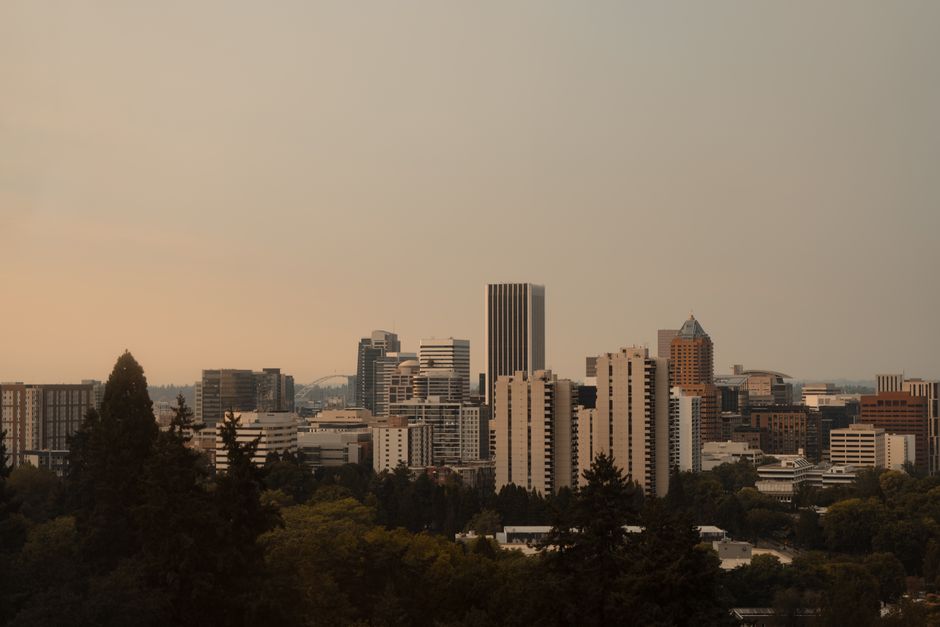
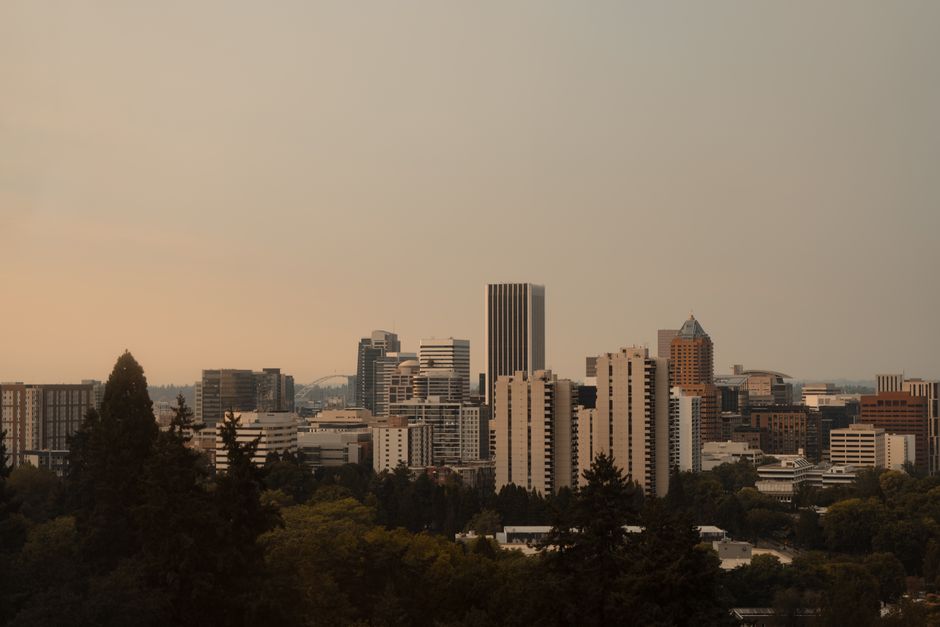
The average Portland adult is getting 6.4 hours of sleep per night this summer — roughly 40 minutes short of the seven-hour floor recommended by the American Academy of Sleep Medicine. The gap isn't caused by stress alone. Ambient temperature, artificial light exposure and background noise are doing measurable physiological damage to sleep architecture, disrupting the deep slow-wave cycles the brain needs to consolidate memory and regulate mood.
Why does this matter right now, in early July 2026? Portland hit a high of 84°F on June 28, and the National Weather Service has flagged above-average overnight lows — running between 62°F and 67°F through the rest of the month — for the metro area. The human body begins dropping its core temperature around 9 p.m. as a biological cue for sleep onset. When the bedroom won't cooperate, that cue gets blunted. Add the near-permanent twilight of a Portland June, where civil dusk doesn't arrive until 9:06 p.m., and the body's melatonin release can be delayed by 90 minutes or more.
The Three-Variable Problem Hitting Portland Hardest
Temperature is the most underestimated factor. Sleep scientists at Oregon Health & Science University's Center for Sleep and Circadian Biology, located on the Marquam Hill campus in Southwest Portland, have been studying thermoregulatory sleep disruption since 2021. Their published work points to an optimal bedroom temperature range of 65°F to 68°F. Every degree above that threshold is associated with increased nighttime waking. Portable air conditioning units — the kind sold at Home Depot on Southeast 82nd Avenue for between $349 and $599 this season — have seen a 31 percent sales spike in Multnomah County since Memorial Day weekend, according to retail tracking data from the Oregon Retail Association.
Light is the second variable. The Lloyd District and Pearl District, both undergoing significant mixed-use development, now have enough new LED streetlighting and illuminated signage that residents on lower floors routinely measure 40 to 60 lux of ambient light through standard curtains at midnight — more than enough to suppress melatonin. Blackout curtains available at Made in Oregon retailers and bedding specialists along NW 23rd Avenue run $45 to $120 a panel, but sleep clinicians note that even a $12 sleep mask produces measurable improvement in sleep latency.
Noise rounds out the triad. The Portland Bureau of Transportation's ongoing reconstruction of the Burnside Bridge and the nightly MAX light rail maintenance windows — which run between 1 a.m. and 4 a.m. on the Green and Yellow lines — generate intermittent sound spikes above 65 decibels in inner East Portland neighborhoods like Buckman and Kerns. A single noise event above 55 decibels is sufficient to trigger a cortisol micro-surge, fragmenting sleep even when the sleeper has no conscious memory of waking.
What You Can Actually Do Before August
Sleep clinicians at Providence Sleep Center on North Williams Avenue recommend a sequenced approach rather than tackling all three variables simultaneously. Start with temperature: drop the thermostat to 67°F by 8 p.m., or use a box fan drawing outside air from a north-facing window. The north side of most inner Portland homes typically runs four to six degrees cooler than the street-facing side after 10 p.m. Next, address light by setting smart bulbs — or simple plug timers on floor lamps — to shift to warm, dim output (under 2,700 Kelvin) after 8:30 p.m. Finally, a white noise machine set at 50 to 55 decibels, roughly the volume of a quiet conversation, will mask most transit and construction intrusion without itself becoming a sleep disruptor.
The Multnomah County Health Department's Sleep Well PDX initiative, which launched in March 2026 and offers free 20-minute consultations at three community health clinics including the one on SE Stark Street near Montavilla, will expand to include Saturday drop-in hours starting July 12. Individual results vary, and anyone experiencing chronic insomnia or suspected sleep apnea should consult a licensed provider rather than rely on environmental tweaks alone. But for the majority of Portlanders losing that 40-minute nightly deficit to a warm, bright, noisy summer bedroom, the fix is cheaper and more immediate than most people expect.