Wellness
Nightscape Interrupted: How Temperature, Light and Noise Shape Portlanders’ Sleep
Urban heat, glare and street life are keeping locals awake—here’s what science and city residents say about getting better rest.
4 min read
Wellness
Urban heat, glare and street life are keeping locals awake—here’s what science and city residents say about getting better rest.
4 min read
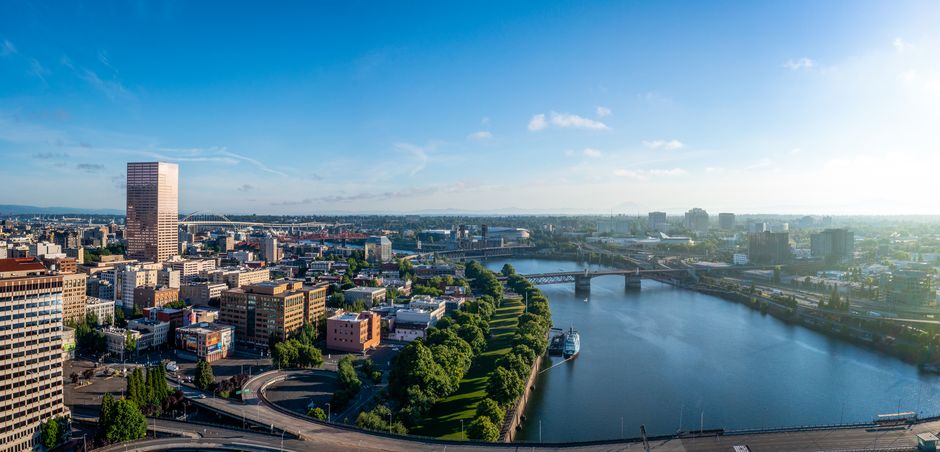
On a recent Monday, the temperature in Northeast Portland barely dropped below 70 degrees overnight, leaving residents along Alberta Street tossing and turning with fans humming past midnight. For many in the city’s increasingly lively neighborhoods, getting a full night’s sleep now means battling not just the heat but also late-night headlights and the distant sounds from Fremont Street patios.
The timing couldn’t be more relevant. This summer’s prolonged streak of warm nights has turned public attention toward the basics of a healthy bedtime: cool air, quiet surroundings, and the kind of darkness rarely found in Portland’s inner core these days. With sleep health linked to mood, focus and even chronic disease risk, understanding the local obstacles to shut-eye is more than a matter of comfort—it’s about wellness.
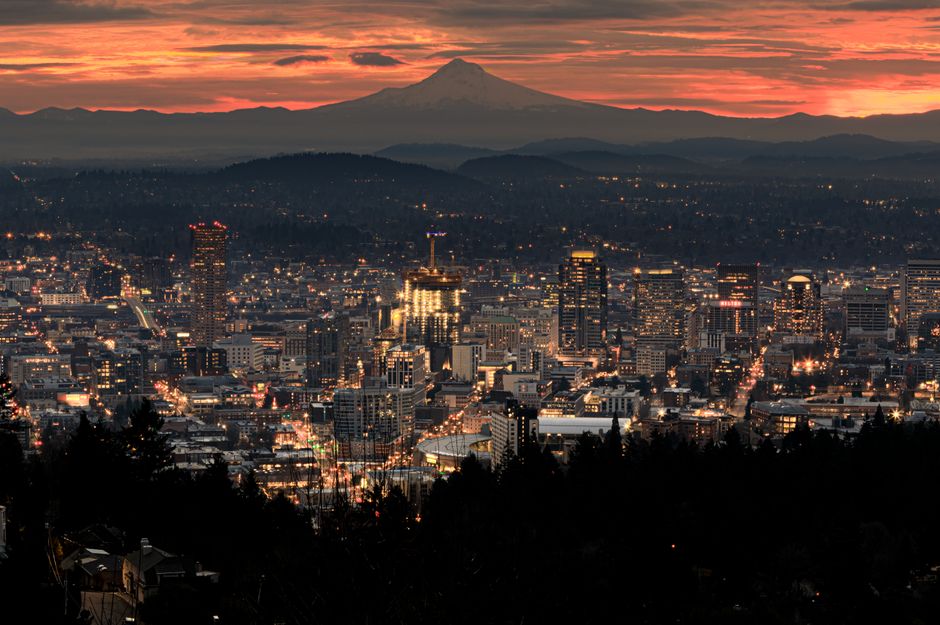
While places like Slabtown have seen an influx of new apartments, they’re also experiencing the unavoidable side effects of urban density: more rooftop restaurant lighting, increased traffic along major corridors, and a proliferation of outdoor events during the elongated twilight hours. The Portland Bureau of Transportation reports that late-night traffic on Burnside increased by 17% over the past two years, reflecting the city’s bounce-back nightlife. This means more headlights, honking, and delivery trucks in residential areas long past bedtime.
According to the staff at The Goodnight Sleep Store on SE Hawthorne, sales of blackout curtains and sound machines hit a five-year high last month—a direct nod to Portlanders’ struggle to control in-home conditions. "Our regular customers from Laurelhurst and Buckman say summer means extra helicopters and street music," a manager confirmed. The city’s Shade Equity Pilot, launched last year in Lents and Cully, is now pushing landlords to install heat-blocking window films, with grants supplying up to $400 per unit. Just two weeks ago, the Multnomah County Library on NW 23rd hosted a workshop on healthy sleep where attendees learned the mechanics of circadian rhythm and practiced mindful breathing techniques.
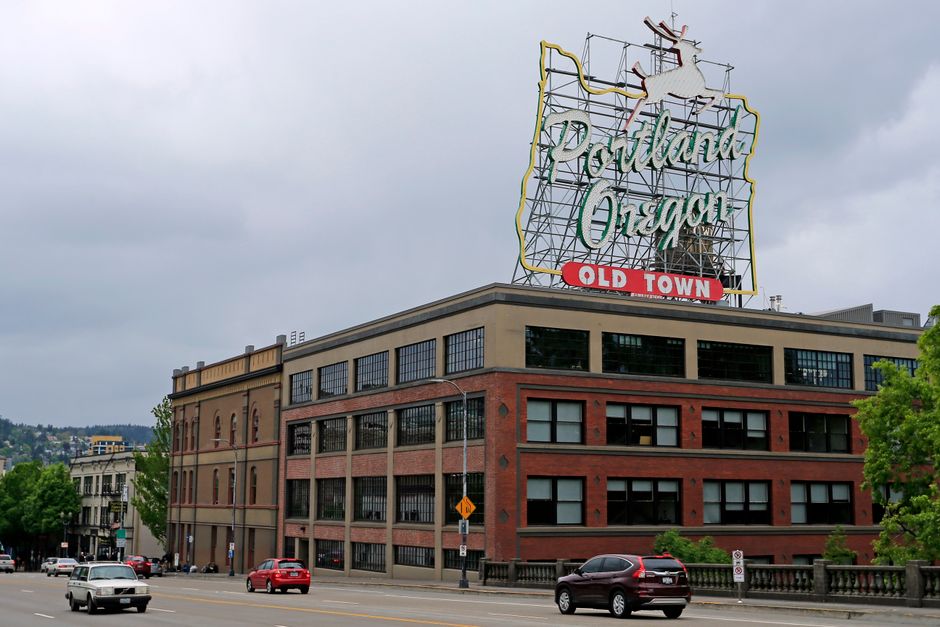
Research from Oregon Health & Science University indicates that bedroom temperatures above 72 degrees can reduce deep sleep by up to 25%. More glaringly (literally), a 2025 Portland City Auditor report found that light pollution in the city’s core—especially around major transit lines—increased by 12% since 2021. Noise levels in hotspots like Old Town have climbed too: an environmental survey measured average overnight decibels at 52, a level known to disrupt REM cycles. Meanwhile, the Portland State University Healthy City study highlighted that more than 30% of surveyed residents reported “significant difficulty” falling asleep due to street noise or light in the last year.
For renters, the cost of fighting back isn’t trivial. Blackout curtains at local stores range from $45 to $120, and basic window AC units at Home Depot on SE Stark are priced around $300. Sound machines, another popular fix, typically run $35 to $80 at Powell’s Books or local pharmacies.
Experts advise creating a cool, dark, and quiet environment wherever possible. In practice, this could mean installing thermal-backed curtains in those classic Portland bay windows, turning off outdoor porch lights earlier, and using white noise apps to mask Hawthorne’s distant nightlife. For those struggling to control indoor temperatures, city-run “cooling centers” such as the East Portland Community Center on NE 106th provide late evening access and a quiet place to wind down, especially during heat advisories announced on portland.gov.
Long-term, city planners and public health officials say the solution will require more than personal gadgets. Proposals for stricter light ordinances and new urban tree canopy targets are winding through City Hall this month, aiming to reclaim the peace and darkness Portlanders need to sleep well. Until then, residents are left experimenting—with fans, earplugs and blackout shades set against the glow and bustle of a city that, even as nights grow warm, rarely settles down.
About this article
Published by The Daily Portland
Spread the word
Daily brief
Free, in your inbox before 7am. Weekdays.
The Daily Network — local news across Australia