Wellness
Yoga styles explained: which one suits your lifestyle
From hot vinyasa flows in the Pearl District to restorative sessions in Sellwood, Portland's yoga scene has never been more varied — or more overwhelming.
4 min read
Updated 1 h ago
Wellness
From hot vinyasa flows in the Pearl District to restorative sessions in Sellwood, Portland's yoga scene has never been more varied — or more overwhelming.
4 min read
Updated 1 h ago
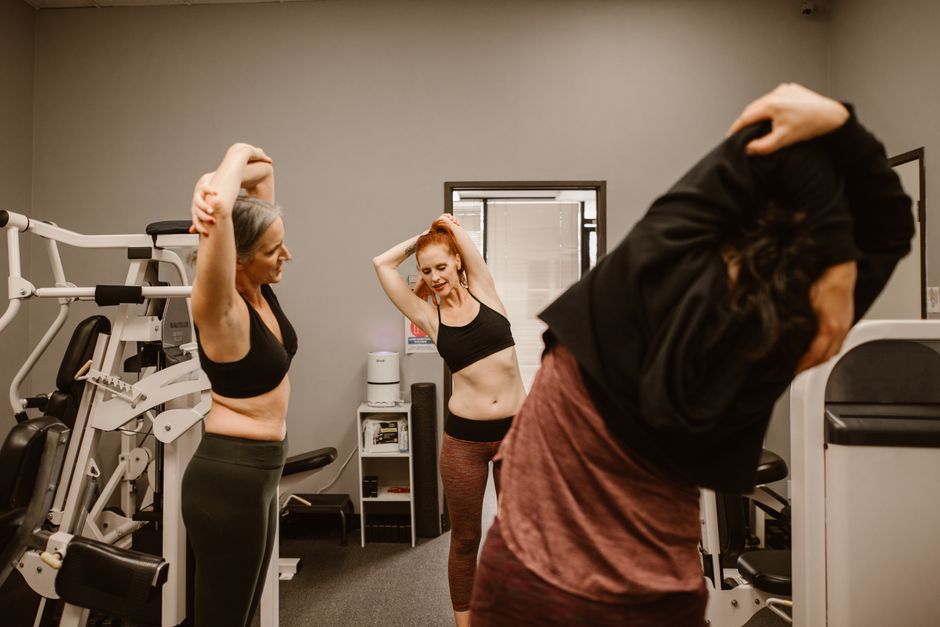
Portland has more yoga studios per capita than almost any mid-sized American city, and the number keeps climbing. According to the Yoga Alliance's 2025 industry report, registered yoga teacher credentials in Oregon grew 18 percent between 2022 and 2025, with Multnomah County accounting for the largest share of that expansion. For beginners and seasoned practitioners alike, the choice can feel paralyzing: hot yoga, yin, aerial, trauma-informed, goat yoga out in Hillsboro. Knowing the differences is not a luxury — it's the only way to build a practice that actually sticks.
The surge matters right now because urban stress metrics are rising across the Pacific Northwest. Portland's own Office of Community and Civic Life flagged in its 2025 neighborhood survey that reported anxiety and sleep disruption among residents aged 25 to 44 had increased for the third consecutive year. Meanwhile, the mindfulness economy — apps, retreats, studio memberships — is projected to top $9 billion nationally by the end of 2026, according to the Global Wellness Institute. More Portlanders are spending money on mental and physical recovery. The question is whether they're spending it well.
Vinyasa is the style most newcomers encounter first. Classes link breath to movement in continuous sequences, and the pace ranges from gentle to genuinely athletic. CorePower Yoga, which operates a location on Northwest 23rd Avenue in Nob Hill, runs vinyasa classes seven days a week starting at $25 a drop-in. The cardiovascular demand is real — a 60-minute moderate vinyasa session burns roughly 400 to 500 calories, comparable to a brisk cycling ride. Good for: people who find stillness difficult and want their workout and their meditation in one block of time.
Ashtanga follows a fixed sequence of postures, always in the same order. It demands memorization and physical patience, and practitioners often commit to the same series for months before advancing. 8 Limbs Yoga, a studio based in the Buckman neighborhood on Southeast Morrison Street, has offered dedicated Ashtanga Mysore sessions since 2019. Mysore-style means students work at their own pace with individual instructor attention rather than following a teacher-led class — a format that suits early risers and self-directed learners. Monthly unlimited memberships at comparable Portland studios run between $85 and $130.
Yin yoga sits at the opposite end of the spectrum. Postures are held for three to five minutes, targeting connective tissue rather than muscle. It reads as almost passive, but the sustained holds produce measurable changes in joint mobility over 8 to 12 weeks of consistent practice, according to a 2023 study published in the Journal of Bodywork and Movement Therapies. Yin suits people carrying chronic tension — desk workers, cyclists, runners — and it pairs well with the kind of breathwork that research increasingly links to reduced cortisol levels. Exhale Yoga on Northeast Alberta Street in the Alberta Arts District runs yin-focused workshops monthly, typically priced around $35 for a 90-minute session.
Trauma-sensitive yoga has grown significantly in Portland following expanded awareness of somatic approaches to mental health. Yoga Behind Bars, a nonprofit that has operated across Oregon since 2009, trains instructors in trauma-informed delivery, and several of those instructors now teach community classes at the SE Uplift neighborhood coalition building on Southeast Woodward Street. These sessions prioritize participant autonomy — no hands-on adjustments without explicit consent, language framed as invitations rather than commands. Sliding-scale pricing, often $5 to $15, removes the financial barrier.
Hot yoga — practiced in rooms heated to 95–105°F — remains popular at studios like Hot Yoga Plus on Southwest Broadway downtown. The heat accelerates flexibility gains but carries dehydration risk, particularly for anyone on blood pressure medication or with cardiovascular concerns. Talk to your doctor before your first hot class, not after.
The practical starting point: identify your honest goal. Stress relief and flexibility point toward yin or restorative. Fitness and community lean toward vinyasa or power yoga. Spiritual depth and discipline suit Ashtanga or Kundalini. Most Portland studios offer a first-week trial for $20 to $30 — enough time to sample three different formats before committing to a membership. The Pearl District, Alberta Arts District, and Division Street corridor each have dense studio clusters, making it easy to walk into three different rooms in the same week without ever getting in a car. Start there.
About this article
Published by The Daily Portland
Spread the word
Daily brief
Free, in your inbox before 7am. Weekdays.
The Daily Network — local news across Australia