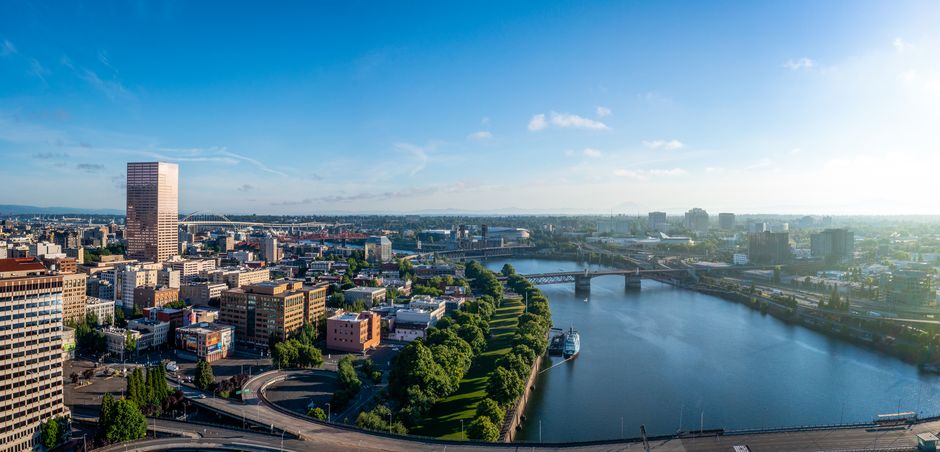
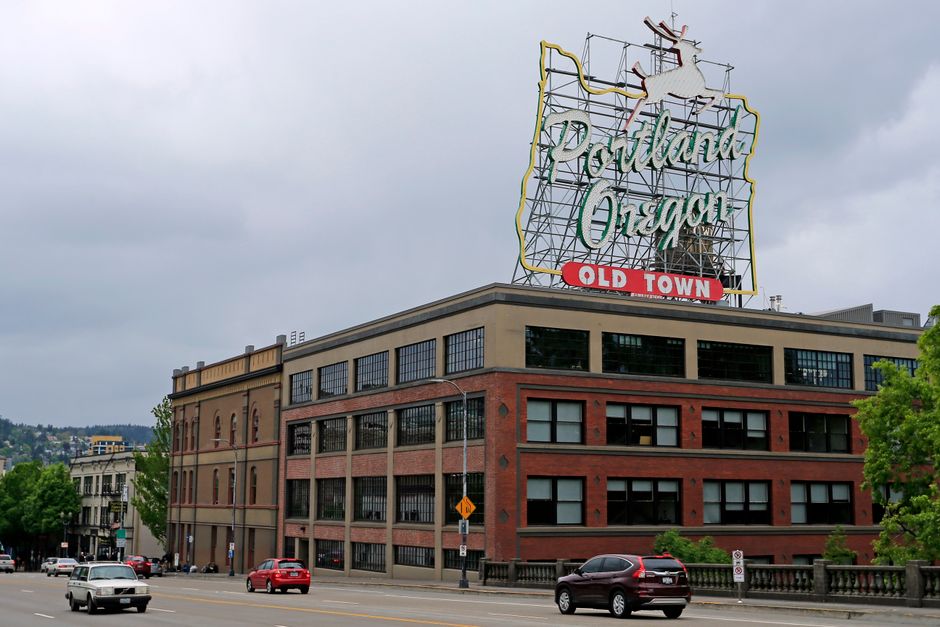
Portlanders are waking up groggier these days, and it’s not just the fault of late nights at concerts or a second pint at Wayfinder on SE 2nd Avenue. With temperatures hitting unusual highs overnight and the city buzzing long after sundown, newly energized conversations are taking place around the real cost of sleeplessness in the Rose City.
The issue has gained traction this July, especially with a string of muggy evenings across East Portland and unrelenting activity near the Broadway Bridge. Earlier this week, OHSU’s Center for Sleep Medicine reported a 27% uptick in consultations compared to last July, citing patient complaints about ‘restless nights, heat, and city noise.’ For a city fiercely proud of its wellness culture—from Forest Park’s early-morning runners to Alberta’s meditation studios—quality sleep is slipping beyond reach for many.
Poor Sleep in the City: What’s Really Keeping Portlanders Up?
Noise has always been a rite of passage for those living near NW 23rd’s late-night patios or along Division Street’s restaurant district. But now, new apartment developments and the growth in summer festival traffic are adding extra decibels to the night. The Portland Bureau of Transportation’s recent pilot project on NE 7th Avenue measured average nighttime noise at 55 decibels, well above the EPA’s recommended 40 dB for healthy sleep environments.
Heat is the other major culprit. This June, overnight lows rarely dipped below 67°F—a sharp rise from the seasonal average of 60°F, according to the National Weather Service’s Portland office. “A six or seven degree increase is a huge difference when it comes to the way your body cools down for sleep,” explains a release from the Providence Sleep Disorders Center. Demand for window-mounted AC units at Lloyd Center’s independent hardware stores has surged, with prices for basic models hitting $349 and some stores on NE Martin Luther King Jr. Blvd reporting waitlists into August.
Light pollution has become a third thorn in the city’s side. The expansion of streetcar lines and brighter LED bulbs in neighborhoods like Slabtown and Lents mean even those with blackout curtains may struggle. A citywide analysis in 2025 by Metro found outdoor brightness levels have increased 23% since 2019, a shift that disrupts melatonin production and can delay sleep onset, according to the American Academy of Sleep Medicine.
Evidence and Simple Fixes for Portland Nights
Data from Multnomah County’s Health Department shows that adults in Portland are averaging just 6.3 hours of sleep per night—below the CDC’s recommended minimum of 7 hours. This shortfall is associated with rising rates of anxiety, reduced productivity, and long-term health costs. Wellness-focused gyms like The Refinery on NE Fremont now offer members discounted sleep therapy workshops ($15 per session), testifying to demand for practical help.
Local sleep coaches suggest a few practical steps for Portlanders heading into the thick of summer: invest in heavier curtains or eye masks if you live near busier corridors, use white noise machines (available for as little as $39 at MadeHere on SW Yamhill Street) to mask the city’s nighttime pulse, and aim to keep bedrooms below 65°F using fans or portable ACs. The Portland Public Library’s Central Branch on SW 10th is even fielding more requests for books on sleep science and home design for restful spaces.
With climate trends pointing to more warm nights ahead, well-rested living in Portland may require new habits and investments. For now, as the city sizzles through another restless summer, prioritizing sleep health is quickly becoming a matter of both public wellness and personal resilience.