Wellness
A Beginner's Guide to Starting a Meditation Practice in Portland
You don't need a cushion, a guru, or a spare hour — here's how Portland's thriving mindfulness scene can help you sit down and shut up for five minutes.
4 min read
Wellness
You don't need a cushion, a guru, or a spare hour — here's how Portland's thriving mindfulness scene can help you sit down and shut up for five minutes.
4 min read
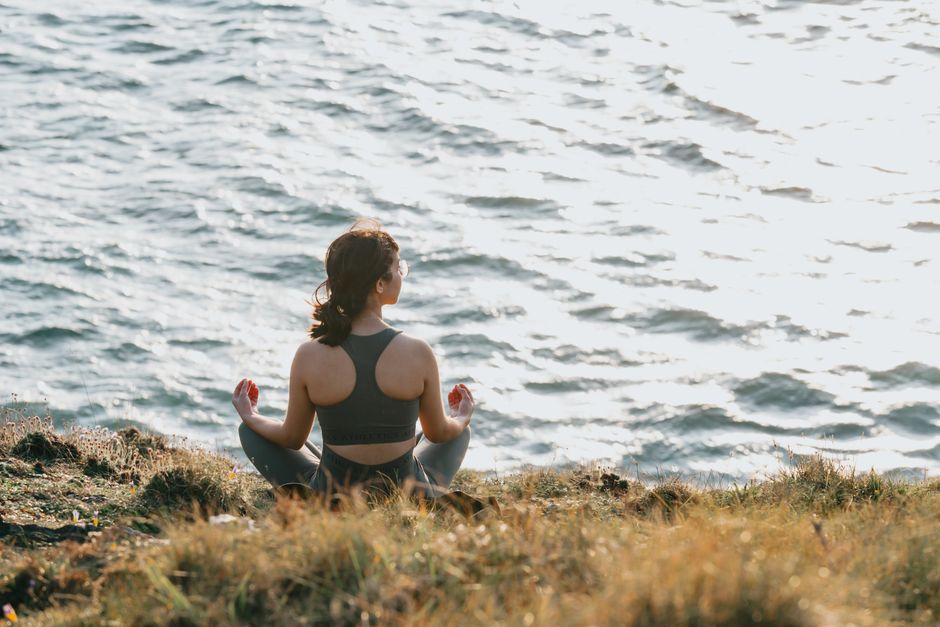
Portland residents are signing up for beginner meditation programs at a pace that local studios say they haven't seen since the early pandemic years, when stress-management searches spiked nationally by more than 40 percent. Instructors at studios from the Pearl District to Southeast Division Street report waitlists forming for July and August intro sessions, a signal that something has shifted in how ordinary people think about mental maintenance.
The timing isn't accidental. Heat records are falling across the globe this summer, political noise is relentless, and a growing body of workplace research is pushing the idea that attention itself has become a scarce resource. People are looking for something cheap, portable, and evidence-backed. Meditation, for all its reputation as a niche practice, checks every one of those boxes.
The city has no shortage of entry points. The Portland Insight Meditation Community, which holds regular sits at the Dharma Rain Zen Center on Northeast 24th Avenue, runs a free eight-week introductory course called Foundations of Mindfulness that draws beginners with zero background. The course meets Tuesday evenings and asks only for a suggested donation of $10 to $15 per session — sliding scale, no one turned away. Their July cohort still had open spots as of this week.
On the other side of the Willamette, Yoga Pearl on Northwest 13th Avenue offers a Mindfulness Meditation 101 workshop on the first Saturday of each month. The 90-minute session costs $25 and covers breath awareness, body scanning, and what to do when your brain refuses to cooperate — which, instructors emphasize, is most of the time for most people. That normalization is deliberate. One of the most persistent myths about meditation is that the goal is a blank mind. It isn't. The practice is simply noticing that your mind has wandered, and bringing it back. Beginners do that dozens of times in a single five-minute sit. That's not failure. That's the workout.
For people who prefer technology as a first step, the app Insight Timer remains the most widely used free meditation platform globally, with over 200,000 guided sessions available. A basic account costs nothing. Many Portland-based teachers — including several affiliated with the True Nature Healing Arts collective in the Buckman neighborhood — upload sessions directly to the platform, giving beginners a local voice without leaving the house.
A 2023 meta-analysis published in JAMA Internal Medicine reviewed 47 randomized controlled trials and found that mindfulness meditation programs produced moderate improvements in anxiety, depression, and pain. Moderate is the honest word — meditation is not a cure for clinical conditions, and anyone managing serious mental health concerns should speak with a licensed provider before treating a ten-minute app session as a substitute for professional care.
But for garden-variety stress and the kind of low-level mental scatter that defines modern life, the evidence is solid enough that the Oregon Health & Science University now includes mindfulness-based stress reduction, known as MBSR, as a referral option through its Center for Women's Health. An eight-week MBSR course through OHSU runs roughly $395 and covers formal meditation, gentle movement, and group discussion. Scholarship spots are available on a rolling basis.
Start smaller than you think you need to. Neuroscience research from Harvard Medical School has shown measurable changes in gray matter density after just eight weeks of daily practice — but the daily sessions in those studies averaged 27 minutes. Most beginners quit before they get there because they start with too much ambition. Five minutes in the morning, in a chair, eyes closed or soft-gaze downward, following the physical sensation of breathing. That's it. Do that for two weeks before adding anything.
Portland's parks offer an underused outdoor option for warm-weather practice. Laurelhurst Park in the Kerns neighborhood has a quiet eastern lawn that fills with morning walkers but empties by 8 a.m. on weekdays. Sit on a bench. Set a phone timer. Breathe. The city's already done the hard part of building the infrastructure for this kind of life. The rest is just showing up.
About this article
Published by The Daily Portland
Spread the word
Daily brief
Free, in your inbox before 7am. Weekdays.
The Daily Network — local news across Australia